
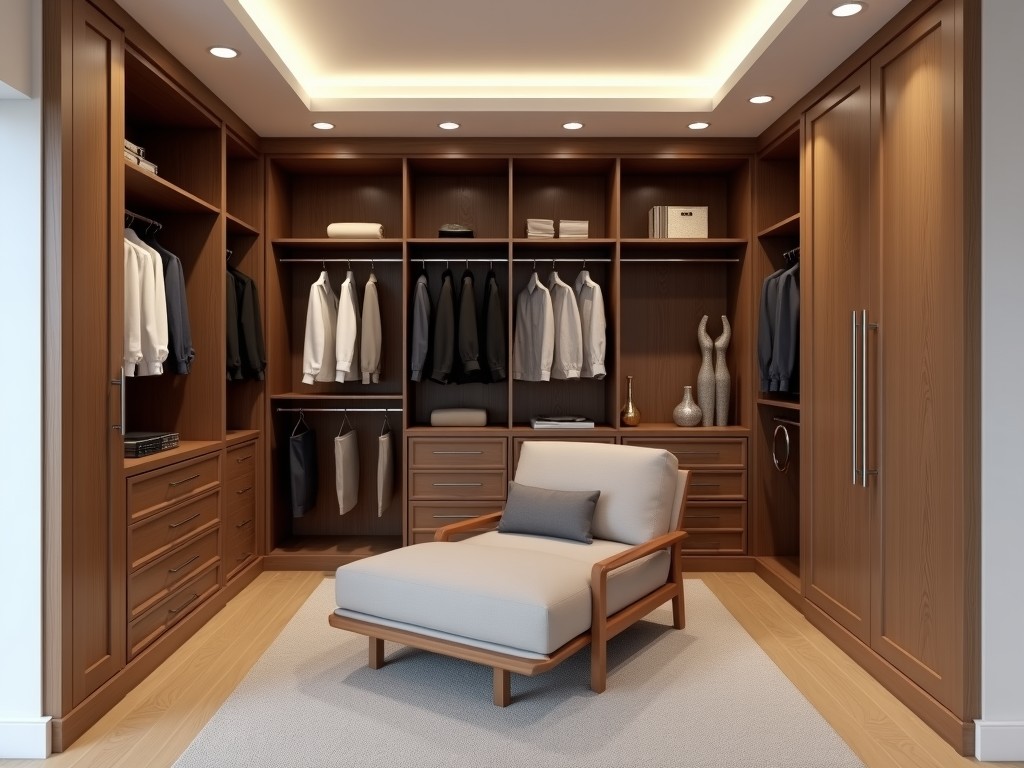
Oem Average Cost Of Custom Walk In Closet
Inquire Now
OEM Average Cost of Custom Walk-In Closet
This page outlines the factors that influence the price of custom walk‑in closet systems supplied to original equipment manufacturers (OEMs). The information is intended to help procurement engineers evaluate quotations and understand where cost variability originates.
Primary Cost Drivers
- Overall dimensions (height, width, depth) directly affect material usage and labor time.
- Choice of panel substrate (e.g., melamine‑faced particleboard, plywood, MDF) changes material cost per square meter.
- Hardware selection (soft‑close hinges, drawer slides, hanging rods) adds a per‑unit premium.
- Finish requirements (laminate, veneer, paint) influence surface preparation and curing steps.
- Complexity of interior accessories (shoe racks, pull‑out baskets, integrated lighting) increases CNC machining and assembly steps.
Material Impact on Unit Cost
| Material Option | Typical Cost Range (USD/ft²) | Notes |
|---|---|---|
| Melamine‑faced particleboard | $12 – $18 | Common for budget‑oriented OEM programs; good screw holding. |
| Veneer‑faced MDF | $18 – $26 | Provides a wood‑grain appearance with stable substrate. |
| Hardwood plywood (birch/maple) | $26 – $38 | Higher durability; used in premium closet lines. |
Size and Configuration Variables
Walk‑in closets are typically priced per linear foot of usable wall length. A standard 8‑foot high section with a 24‑inch deep shelving system requires approximately 1.5 ft² of panel material per linear foot, not counting doors or drawers. Increasing the depth to 30 inches adds roughly 0.25 ft² of material per foot, while adding a second tier of hanging rods raises labor time by about 15 %.
Manufacturing Considerations Affecting Price
- CNC nesting efficiency: higher material yield reduces scrap cost.
- Edge banding type (PVC vs. ABS) influences both material and machine time.
- Pre‑drilled hardware holes eliminate secondary drilling operations.
- Finished goods packaging (flat‑pack vs. assembled) changes handling and freight costs.
Typical Cost Range for OEM Projects
| Specification | Cost (USD per linear foot) |
|---|---|
| Basic melamine shelf & rod, 8 ft high, 24 in deep | $45 – $60 |
| Veneer MDF with soft‑close drawers, 8 ft high, 30 in deep | $78 – $105 |
| Hardwood plywood, integrated lighting, pull‑out accessories | $120 – $165 |
Typical Applications
OEMs that produce residential furniture lines, multi‑family housing units, or hotel guest‑room suites often source custom walk‑in closets as a modular component. The ability to specify panel thickness, hardware finish, and interior accessories allows the closet system to match the aesthetic and functional requirements of the end‑product while maintaining consistent lead times across production batches.
Frequently Asked Questions
- Can dimensions be customized beyond standard sizes?
- Yes. Width, height, and depth are adjustable in 1‑inch increments; pricing updates reflect the corresponding material and labor changes.
- What information is required before a quotation is issued?
- A preliminary layout (wall lengths, desired interior accessories), material preference, hardware list, and finish specification are needed to generate an accurate cost estimate.
- Which panel substrates are available for OEM programs?
- Melamine‑faced particleboard, veneer‑faced MDF, and hardwood plywood are stocked; alternative substrates such as bamboo‑based board can be sourced upon request.
- How is quality inspected before shipment?
- Each panel undergoes dimensional tolerance checks (±0.5 mm), edge‑band adhesion testing, and functional verification of hardware (e.g., slide load rating). A random sample of assembled units is cycle‑tested for 5,000 operations.
- What packaging options are available for export?
- Flat‑pack kits with corner protection, strap‑secured pallets, and moisture‑barrier wrapping are standard; custom crating can be arranged for high‑value projects.
For a detailed quotation tailored to your project’s specifications, please contact our engineering team.
Request QuoteRelated Products
Related News

custom closet spatial organization and material performance analysis

Bathroom Taps Technical Analysis
